Vic Smeed Remora from 1964 Model Maker Free Plan
When I was at school and in my young to mid teens, I liked to read the Model Maker magazine that was current at that time.
Although it was a “general purpose” model magazine that covered several different types of model making every month, I found the model boats section the most interesting-especially those about model power boats.
Most model power boats at that time were powered by diesel engines, glow plug engines, two stroke petrol engines (usually ex- strimmer) the occasional rare and expensive (often hand made) four stroke engine, or steam.
Some electric motors were available ranging from the smaller Mabuchi types to the larger Taycol motors and others that I don’t remember so well.
It is with this background that Vic Smeed designed the Remora model power boat for use in steering competitions that were popular at that time.
This may seem a little strange now, but back in the days of single channel radio, steering a model boat accurately though a marked-out course represented a worthwhile and entertaining challenge.
These competitions faded away with the introduction of affordable proportional radio control as steering a model boat accurately became a lot easier as it was no longer necessary to remember the number of times the transmitter button had to be pushed to get the rudder to turn left or right.
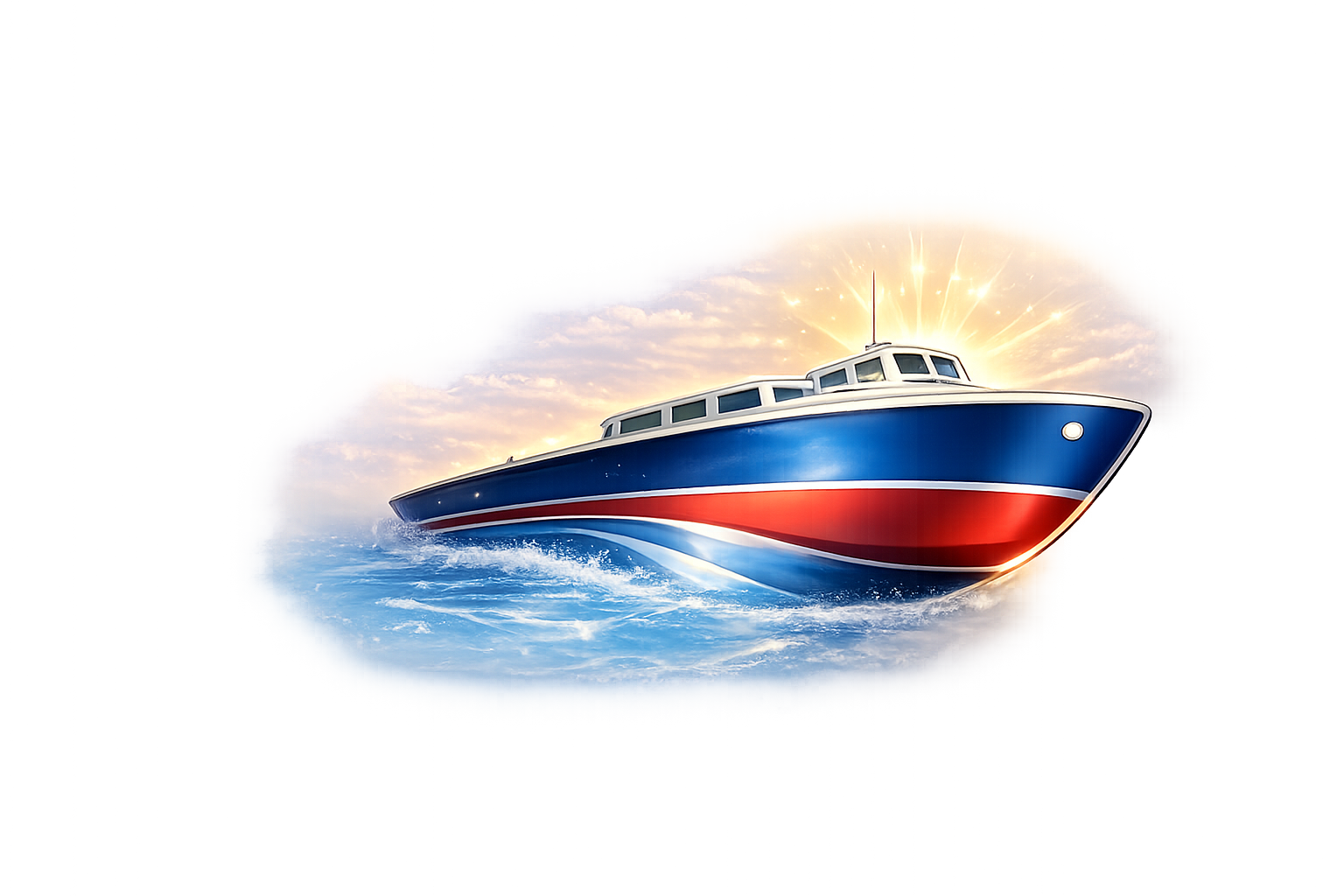
The prototype Remora was powered by a .21 glow plug engine and took advantage of the new type proportional radio control system that was to eventually make the intended use of this model boat redundant,
Although it was a “general purpose” model magazine that covered several different types of model making every month, I found the model boats section the most interesting-especially those about model power boats.
Most model power boats at that time were powered by diesel engines, glow plug engines, two stroke petrol engines (usually ex- strimmer) the occasional rare and expensive (often hand made) four stroke engine, or steam.
Some electric motors were available ranging from the smaller Mabuchi types to the larger Taycol motors and others that I don’t remember so well.
It is with this background that Vic Smeed designed the Remora model power boat for use in steering competitions that were popular at that time.
This may seem a little strange now, but back in the days of single channel radio, steering a model boat accurately though a marked-out course represented a worthwhile and entertaining challenge.
These competitions faded away with the introduction of affordable proportional radio control as steering a model boat accurately became a lot easier as it was no longer necessary to remember the number of times the transmitter button had to be pushed to get the rudder to turn left or right.
The prototype Remora was powered by a .21 glow plug engine and took advantage of the new type proportional radio control system that was to eventually make the intended use of this model boat redundant,
Will